801-293-8100

Breast Implant Illness is a term used by some patients to describe a collection of systemic symptoms they believe may be related to their breast implants. Reported symptoms can include fatigue, brain fog, memory or concentration difficulties, joint and muscle pain, rashes, and other nonspecific concerns. The FDA states that the causes of these symptoms and the degree to which they are related to breast implants are not yet fully understood, and research is ongoing. Some patients report improvement after implant removal, although improvement cannot be guaranteed.
What Is Breast Implant Illness & Removal?
Breast implant removal involves surgically taking out breast implants, with or without removal of the surrounding scar capsule. Patients may pursue explantation because of personal preferences, implant-related complications, changes in breast appearance, or concerns about systemic symptoms they associate with their implants.
Breast implants are not considered lifetime devices, and complications such as capsular contracture, rupture, pain, asymmetry, implant malposition, or changes in breast appearance may eventually lead to additional surgery.
When implant removal is being considered because of BII concerns, it is important to approach the decision thoughtfully. There is currently no specific diagnostic test that confirms BII, and symptoms can have many possible causes. A comprehensive medical evaluation may help identify other conditions that could contribute to similar symptoms before or alongside surgical planning.
A measured approach
Breast Implant Illness & Removal Benefits
For patients who have decided that removing their implants is the appropriate choice, explantation can address concerns associated with the implants themselves and eliminate the need for future implant monitoring or replacement. Potential benefits may include:
- Removal of unwanted breast implants
- Treatment of certain implant-related complications
- Elimination of the possibility of future implant rupture or deflation
- Resolution of capsular contracture when appropriate treatment is performed
- Freedom from maintaining breast implants
- The opportunity to reshape the breasts after implant removal
Some patients may experience changes such as sagging, loss of volume, skin laxity, dimpling, or contour irregularities, particularly after larger implants or long-term augmentation. Additional procedures, such as a breast lift or fat grafting, may be considered to improve breast shape after explantation.
Am I a Candidate for a Breast Implant Illness & Removal?
Breast implant removal is highly individualized. Patients may consider explantation because they no longer want implants, have developed an implant-related complication, are experiencing discomfort, or have systemic symptoms they believe may be associated with their implants.
You may be a candidate for breast implant removal if you:
- No longer want breast implants
- Have breast pain or discomfort
- Have capsular contracture or hardened breast tissue
- Have experienced implant rupture or deflation
- Have implant malposition or significant asymmetry
- Are concerned about the potential risks associated with maintaining implants
- Report systemic symptoms that you associate with your implants
- Are interested in exploring breast lift or fat grafting after implant removal
During your consultation, the surgeons at Utah Cosmetic Surgery will review your medical and surgical history, examine your breasts, discuss your symptoms and concerns, and explain the available surgical options.
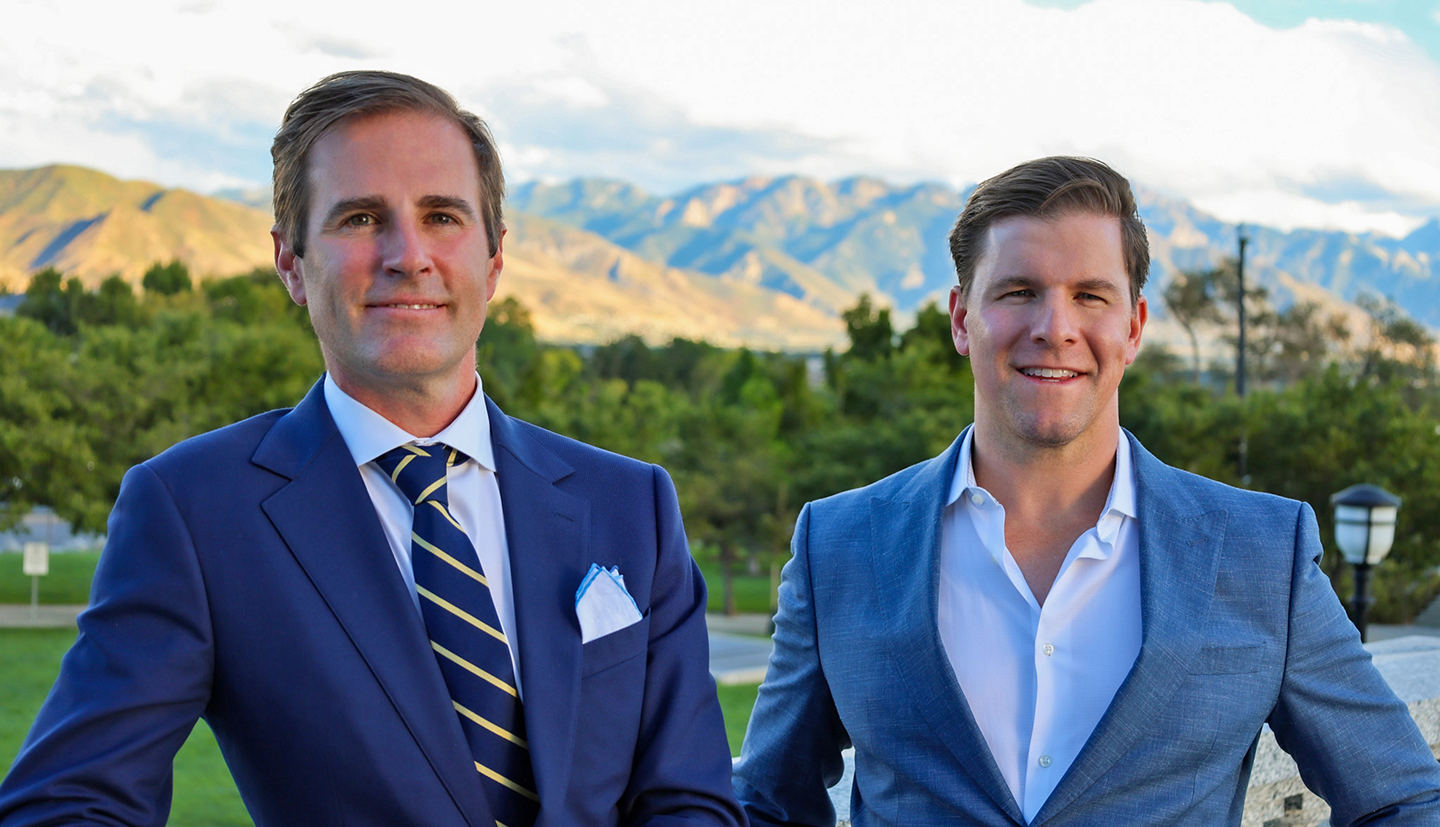


Board-certified plastic surgeons
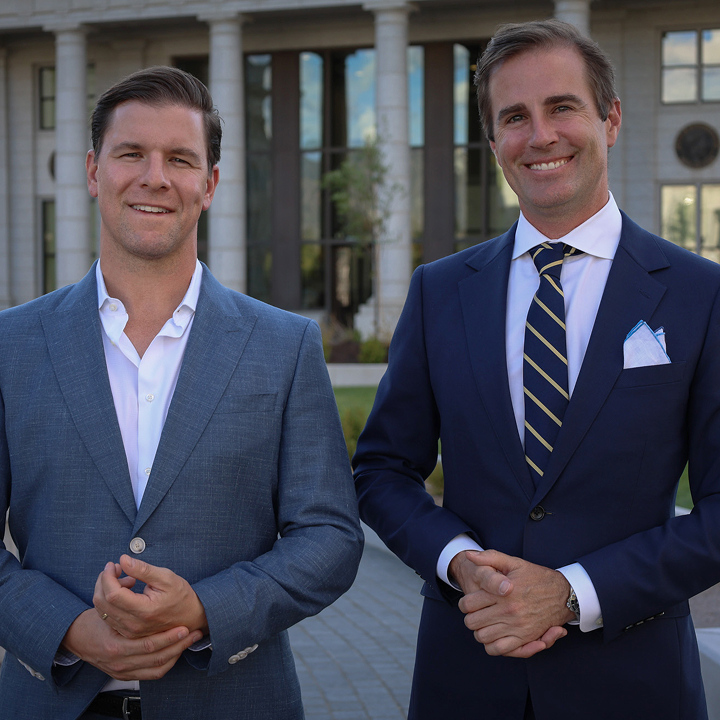
Dr. Rhett Willis & Dr. Ryan Kunkel
Dr. Rhett N. Willis Jr. and Dr. Ryan Kunkel bring surgical expertise and a thoughtful, personalized approach to Utah Cosmetic Surgery. They take time to understand your goals and develop a treatment plan that respects your anatomy and natural proportions. With an emphasis on precision, attentive care, and balanced results, they guide you from consultation through recovery.
The Breast Implant Illness & Removal Procedure
The specific surgical approach depends on the condition of the implants, the surrounding scar tissue, and the patient’s goals. In some cases, the implant can be removed while leaving the surrounding capsule intact. In other situations, some or all of the capsule may also be removed through a capsulectomy. The appropriate approach is determined on an individual basis rather than assuming that complete capsule removal is necessary for every patient.
If a patient has a confirmed implant-associated cancer such as BIA-ALCL, the surgical approach is different and may require removal of the implant and surrounding capsule as part of cancer treatment. Persistent swelling, a new breast or armpit lump, or other significant changes around an implant should be evaluated promptly by a qualified healthcare professional.
Breast Implant Illness & Removal Recovery
Recovery after breast implant removal depends on the surgical technique, whether scar tissue is removed, and whether additional procedures are performed at the same time. Patients commonly experience swelling, bruising, soreness, and temporary changes in breast shape during the initial healing period. A support bra or surgical garment may be recommended, and some patients may temporarily require surgical drains to remove excess fluid from the treatment area.
Most patients gradually return to normal daily activities as their discomfort and swelling improve, while strenuous exercise and heavy lifting are restricted until adequate healing has occurred. The breasts may initially appear deflated or loose after implant removal, particularly when the skin and breast tissue have been stretched by larger implants. The final appearance continues to evolve as swelling resolves and the tissues settle.
Why choose
Utah Cosmetic Surgery for Breast Implant Illness & Removal
Breast implant removal requires more than simply taking out an implant. The surgeon must consider the condition of the implant, surrounding capsule, existing breast tissue, skin quality, and the patient’s desired appearance after explantation. Dr. Rhett N. Willis Jr. and Dr. Ryan Kunkel take an individualized approach to breast implant removal, carefully evaluating each patient’s history and goals before recommending an appropriate surgical plan. Whether your primary concern is an implant complication, changes in breast appearance, discomfort, or symptoms you associate with Breast Implant Illness, Utah Cosmetic Surgery provides a setting where those concerns can be discussed openly and evaluated thoughtfully.
About UsReal results
Breast Augmentation Before & Afters
Explore breast augmentation results that reflect each patient’s unique proportions and preferences. Our gallery offers a closer look at how individualized surgical planning can enhance breast volume, shape, and balance while complementing your natural contours.
View gallery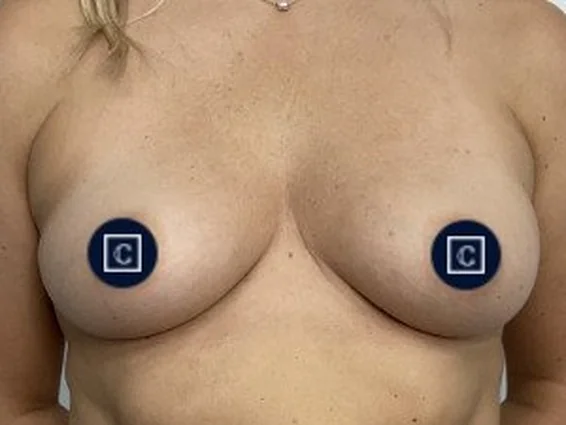
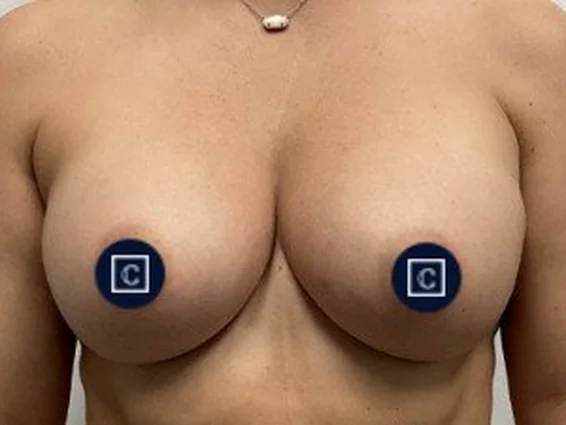
Sensitive content
Must be 18 or older to view!
Images may contain nudity.





Trusted, patient by patient
-
“Dr. Rhett Willis is absolutely amazing! He performed a breast augmentation with a lift on me eight months ago and I couldn't be happier with the results.”
-
“From my first consultation, Dr. Ryan Kunkel made me feel heard and never rushed. My friends just tell me I look well rested.”
-
“The whole team put me completely at ease. Every question was answered, and my recovery was smoother than I expected.”


Schedule a Breast Implant Illness & Removal Consultation in Salt Lake City, Utah
If you are considering breast implant removal because you no longer want implants, have developed an implant-related concern, or are experiencing symptoms you believe may be associated with your implants, Utah Cosmetic Surgery can help you understand your options. Contact Utah Cosmetic Surgery in Salt Lake City, Utah, to schedule a breast implant removal consultation and discuss whether explantation, with or without additional breast reshaping, may be appropriate for you.
Contact Us Today