How Long Does a Facelift Last?
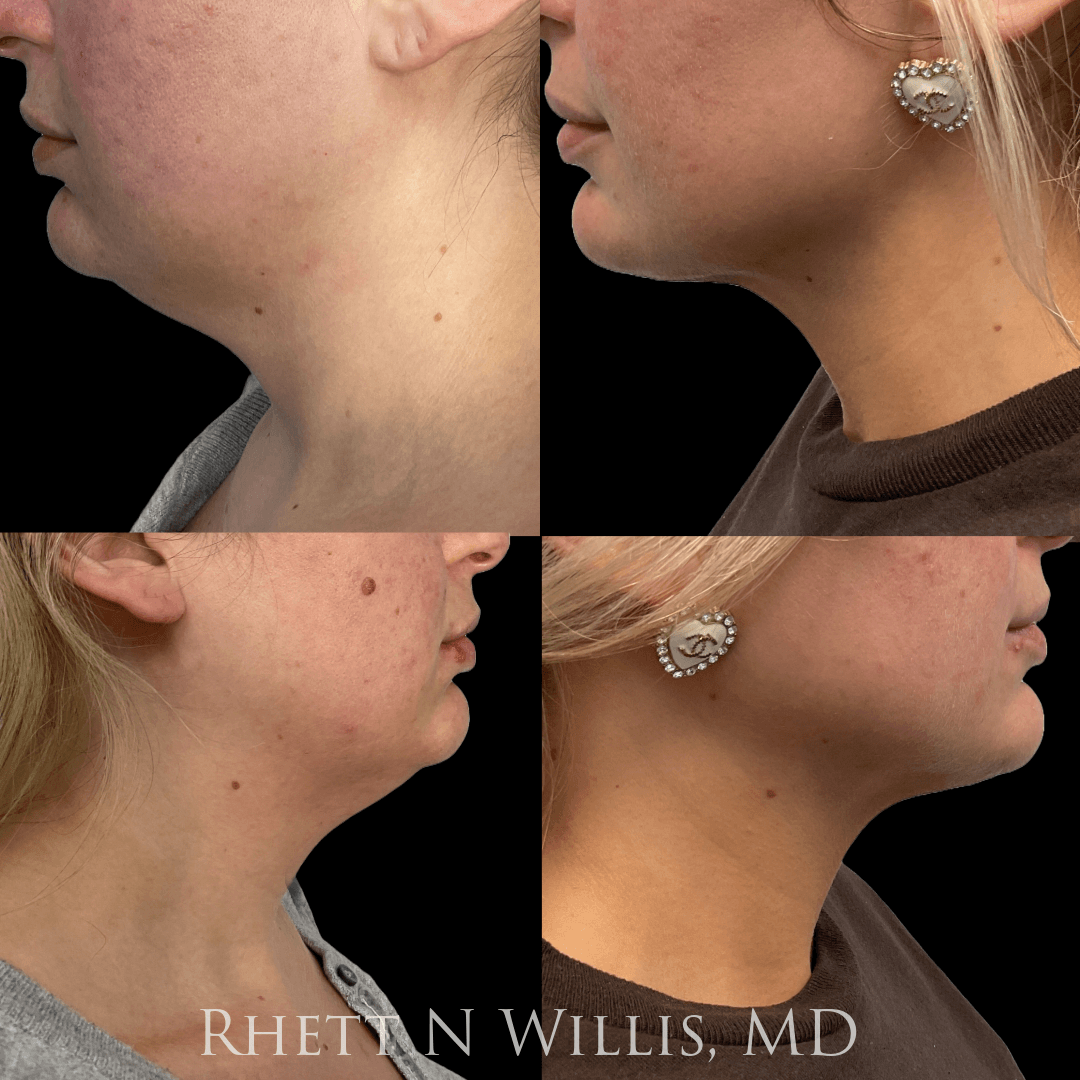
A facelift (rhytidectomy) is widely considered the gold standard for facial rejuvenation. However, for most patients, the primary concern isn’t just how they will look immediately after surgery, but how long a facelift lasts before the effects of gravity and time begin to take hold again.
While a facelift can “set back the clock” by a decade or more, it does not stop the clock from ticking. Understanding the longevity of your results—and how to protect your investment—is key to long-term satisfaction.
The Average Lifespan of a Facelift
On average, a traditional facelift lasts between 7 and 10 years. According to clinical insights from the Cleveland Clinic, while the surgical adjustments to muscle and skin are permanent, your face will continue to age naturally.
Think of it this way: if you have a facelift that makes you look 10 years younger, you will still look 10 years younger than your chronological age a decade from now, even as new aging occurs.
Results by Procedure Type
Not all facelifts are created equal. The surgical technique used significantly impacts the duration of your results:
- Deep Plane Facelift: By repositioning the deeper muscle layers (SMAS) and releasing ligaments, this technique often yields the longest-lasting results, typically 12–15 years.
- Full/SMAS Facelift: The standard approach for moderate to advanced aging, usually lasting 10 years.
- Mini Facelift: Targeted at the lower face with smaller incisions, results generally last 5–7 years.
| Facelift Type | Focus Area | Average Longevity |
| Mini Facelift | Jowls & Lower Face | 5 – 7 Years |
| SMAS Facelift | Mid-face & Neck | 10 – 12 Years |
| Deep Plane | Total Mid-face & Jawline | 12–15+ Years |
The Facelift Longevity Timeline: What to Expect
Understanding the “life cycle” of your surgery helps manage expectations as the years pass.
1–5 Years: The Golden Era
During the first five years, your results are at their peak. Swelling has completely subsided, and the jawline remains sharp. Most patients report a significant boost in confidence, often feeling they look better than they did a decade prior.
5–10 Years: Subtle Changes
By the ten-year mark, the natural aging process—driven by loss of bone density and collagen depletion—becomes more visible. You may notice slight relaxation in the skin or the reappearance of fine lines, though the structural improvements of the facelift remain evident.
10–15 Years: Considering Maintenance
For many, this is the window where a “refresh” might be considered. While you will still look younger than if you had never had surgery, the cumulative effects of gravity may prompt a secondary procedure or a more aggressive non-surgical maintenance routine.
Factors That Affect How Long Your Results Last
Several variables determine whether your facelift lasts 7 years or 15.
1. Age at the Time of Surgery
Patients who undergo a facelift in their late 40s or 50s often see longer-lasting results because their skin still possesses significant elasticity. Older patients may see dramatic improvements, but the underlying tissue may “relax” sooner.
2. Skin Quality and Lifestyle
Sun exposure is the leading cause of premature aging. Patients who use medical-grade skincare and high-SPF sunscreen consistently will maintain their results far longer than those who do not. Additionally, smoking significantly impairs blood flow and collagen production, leading to faster “relapse” of sagging skin.
3. Weight Fluctuations
Gaining or losing a significant amount of weight (usually 20+ pounds) after surgery can stretch the skin or cause a loss of facial volume, compromising the surgical contours.
How to Extend the Life of Your Facelift
You can protect your investment by following a proactive maintenance strategy:
- Injectables: Using fillers (like Juvederm) to replace lost volume and neurotoxins (like Botox) to soften expression lines can delay the need for a second surgery.
- Laser Treatments: Procedures that stimulate collagen production, such as CO2 lasers or RF microneedling, keep the surface of the skin firm and youthful.
- Healthy Habits: Staying hydrated, eating an antioxidant-rich diet, and avoiding nicotine are the best ways to support cellular health.
Why Surgeon Expertise Matters
The most critical factor in facelift longevity is the skill of your plastic surgeon. A board-certified surgeon like Dr. Scott Haupt, who has performed over 15,000 procedures, understands how to tension the underlying tissues correctly to ensure a result that looks natural and stands the test of time.
Choosing a surgeon with specialized expertise in face lifts and facial rejuvenation procedures ensures that the “foundation” of your face-lift is built to last.
Frequently Asked Questions
Does a facelift stop the aging process?
No. As the Mayo Clinic notes, a facelift is a corrective procedure, not a preventative one. You will continue to age, but you will do so from a much more youthful starting point.
Can facelift results last 15 years or longer?
Yes, particularly with the deep plane technique and excellent skin maintenance. Some patients find they are satisfied with their results for nearly two decades.
Will I need a second facelift in the future?
While not everyone chooses to have a second surgery, some patients opt for a “secondary facelift” or a “tuck-up” 10–15 years after their initial procedure to address new signs of aging.
How long does swelling last after a facelift?
Most major swelling resolves within 2 to 3 weeks, allowing you to return to social activities. However, residual, “invisible” swelling can take up to 6 months to completely dissipate, which is when you will see your final, refined results.
Are You Ready for a More Youthful You?
If you are ready to explore how a facelift can transform your appearance and boost your confidence, the next step is a personalized consultation. Contact Utah Cosmetic Surgery today to schedule your appointment with Dr. Scott Haupt and discover which facial rejuvenation path is right for you.
Medical Disclaimer: This article is for informational purposes only and is not a substitute for professional medical advice. Always consult a board-certified plastic surgeon for personalized guidance regarding your surgery and recovery.
Not ready for surgery? Ultherapy in Utah offers non-surgical lifting that can extend or delay facelift results.