Tummy Tuck Recovery in Utah: A Week-by-Week Guide
If you’re considering tummy tuck surgery (abdominoplasty), you’re probably wondering, “How long will I be down?” You’re not alone. Recovery time is a significant concern for many Utah moms who find themselves torn between their goal of a flatter stomach and the demands of busy family life. In this guide, written by our board-certified surgeon Dr. R. Scott Haupt, we’ll walk you through what to expect with your tummy tuck recovery.
Week 1: Rest, Relief, and Gentle Movement
Your body went through major surgery, so make getting lots of rest your top priority for the next week or so. While there may be some pain, it’s manageable thanks to newer techniques like Exparel (a long-acting anesthetic that provides up to 72 hours of relief) and multimodal pain management that limits opioid use.
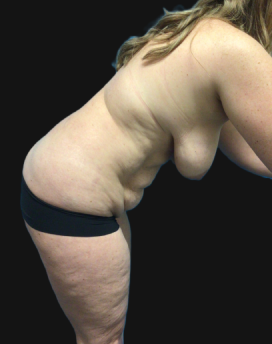
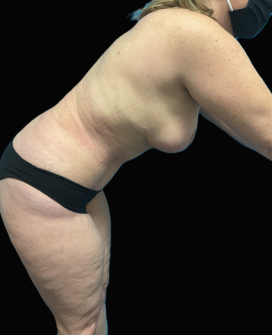
Abdominoplasty tightens abdominal muscles, removes excess fat and skin, and sculpts the midsection. So you should expect swelling, tightness, and a slight forward lean when walking for 7-10 days as tissues settle.
Light movement may help with circulation, but avoid lifting more than 10 pounds for the first 4–6 weeks. That means no picking up toddlers—plan childcare for at least the first 7-10 days. And, if possible, rely on your support network at this time to help support your recovery.
Recovery tip: A compression garment supports healing and reduces swelling; wear it continuously except when showering.
Week 2: Standing Taller and Feeling Stronger
By week two, many patients are able to walk upright again and begin to feel much better. Bruising fades, swelling decreases, and comfort improves each day. You should still avoid driving, heavy household work, and lifting, however. Listen to your body during this time, as doing too much too soon can impair healing.
Surgical drains are typically taken out between days 7 and 14, when the draining volume is less than 30 mL per 24 hours.
Recovery tip: Continue wearing your garment and taking it easy, staying hydrated with water, and taking light walks.
Weeks 3–4: Regaining Confidence and Mobility
Energy begins to return in weeks 3 and 4 after tummy tuck surgery. Most patients can resume office work at around 2 weeks post-op if their job isn’t physically demanding. The tightness across your abdominal area can still feel stiff; however, standing straight and gentle stretching become easier. Keep in mind that healing is as unique as fingerprints—each person’s body, metabolism, and activity level are different.
Recovery tip: Utah’s dry climate can aid incisional healing, but hydration is essential for healing wounds at altitude.
Bonus tip: Use a small pillow to support your stomach when coughing or sneezing—it protects healing muscles and eases tummy tuck pain without strain.
Weeks 5–6: Back to Normal Life
By weeks 5–6, most women feel nearly back to normal. You can gradually increase your daily activities, resume household work, and add light exercises such as walking on the treadmill or gentle yoga stretches; continue to avoid direct ab exercises or heavy lifting, however.
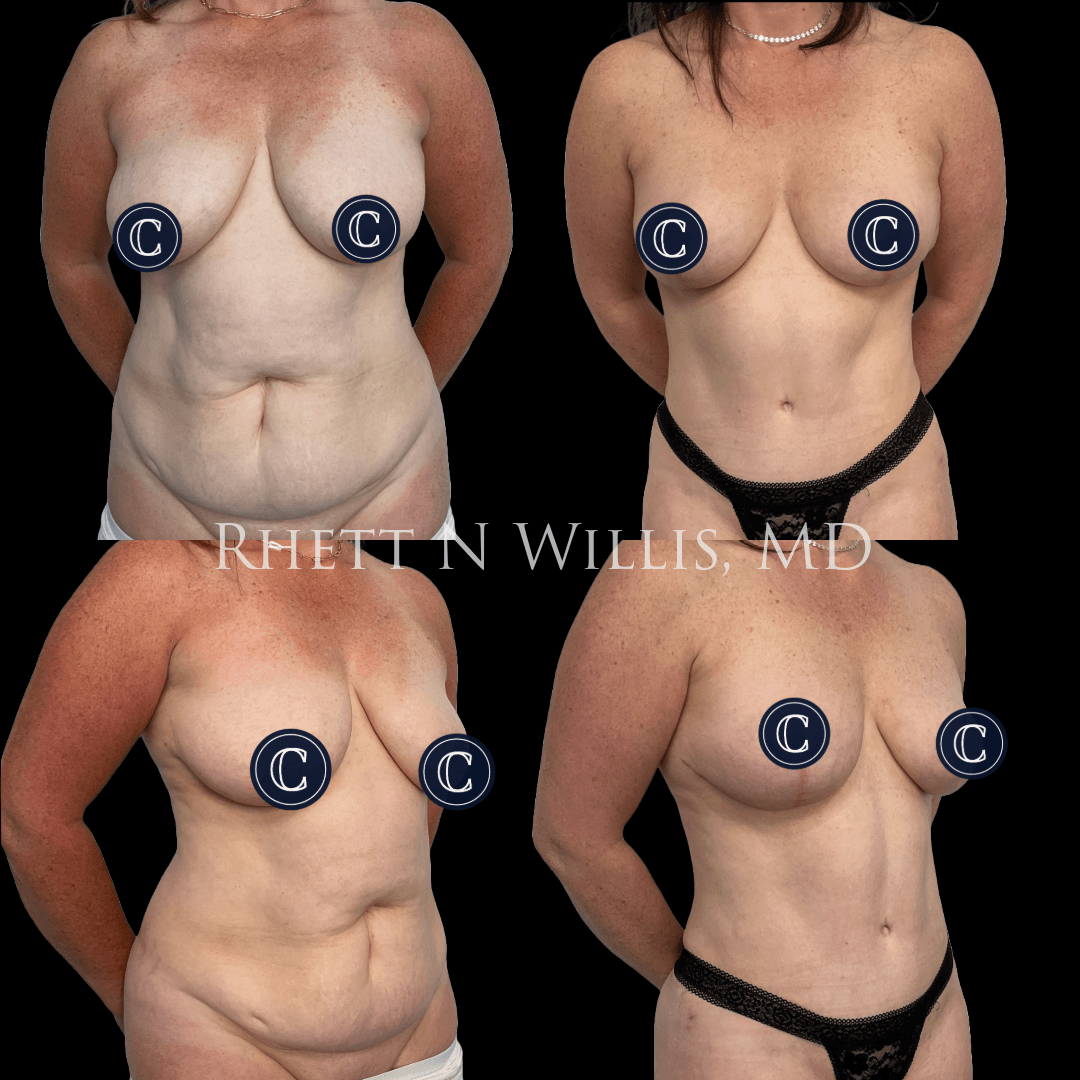
Results of your abdominoplasty become apparent here as swelling continues to subside, contours smooth out, and incisions start to diminish. At this point, Dr. Haupt typically discharges patients for low-impact exercise and travel.
Months 2–3: Refinement Phase
At this point you’ll notice your final shape forming as internal swelling comes down. You may still experience numbness or tingling along the incision lines, though. Scar care—using silicone gel sheets and sun protection—starts now for the best long-term results.
This period is also when many women regain confidence in their clothing and feel comfortable resuming photos, social events, and even swimming (with surgeon approval).
Recovery tip: Because our dry environment makes evaporation occur more rapidly, apply moisturizers to incisions daily in winter months. Drink plenty of water throughout the year to help create smoother scars and heal faster.
Months 3–6 and Beyond: The New Normal
After you hit the 3-month mark, you’re typically cleared for all activities, including strength training and abdominal workouts. Over the next 12–18 months, swelling will continue to improve, and scars will gradually fade.
Most patients can enjoy their final results between 3 and 6 months post-op—and these can last decades with stable weight and self-care. Focus on building and maintaining a healthy diet and exercise plans for long-term satisfaction. Studies indicate that nearly 60% of tummy tuck patients also remain weight-reducing for five years, averaging 10 pounds less than preoperatively.
Pro tip: Schedule a follow-up appointment with your surgeon in 6 months to review the results and discuss add-on procedures (i.e., breast lift, thigh lift, etc.), if that’s part of your body-contouring goals.
Why Patients Trust Dr. Haupt for Tummy Tuck Recovery
With over 20 years of experience and 15,000+ procedures, Dr. Haupt combines surgical skill with compassionate care. Every patient receives personalized follow-up and recovery instructions according to their lifestyle, family needs, and comfort. And that’s not all; Utah Cosmetic Surgery’s surgical suite is AAAASF-accredited, meaning our facility is held to hospital-level safety standards.
Our patients often say that the experience is like being part of the family—a reflection of our compassionate and reliable approach.
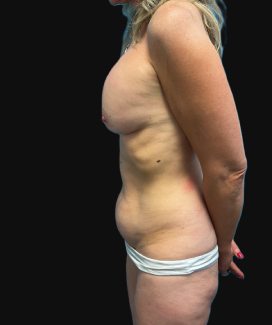
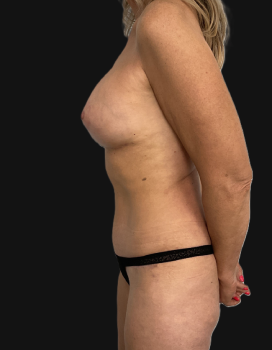
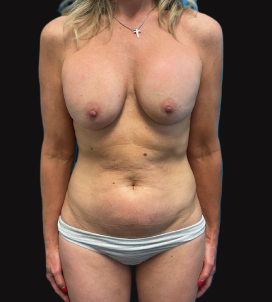
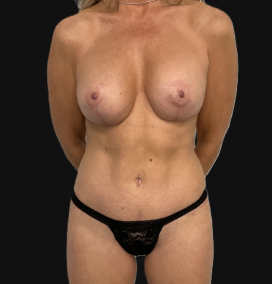
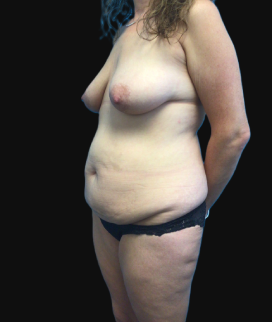
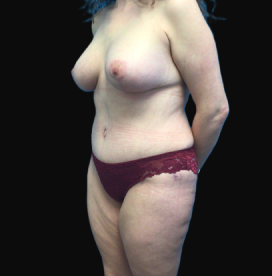
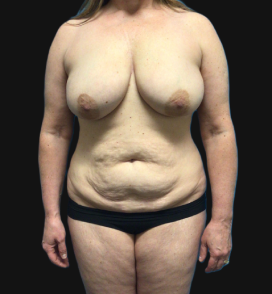
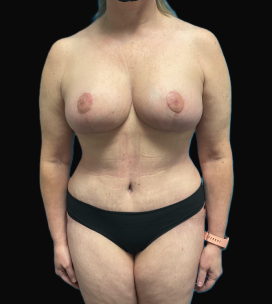
For visual inspiration, look at our Tummy Tuck Gallery and see how subtle, natural-appearing results can restore confidence.
Planning Your Recovery Journey
Every recovery is unique—but it doesn’t have to be overwhelming. With the right support, realistic expectations, and professional care, most Utah moms are back on their routine in a few weeks, feeling and looking stronger every day.
If you’re ready to find out what your individual recovery process may be, schedule a private consultation with Utah Cosmetic Surgery. We’ll walk you through safe options, personalized care, and even financing plans to make your dreams a reality.
Frequently Asked Questions
Most of our patients describe it as tightness rather than sharp pain. Long-acting anesthetics and personalized pain control plans make recovery far more comfortable than you might expect.
Yes. Arrange for assistance with child care and other household responsibilities for the first 1–2 weeks.
Usually, you can resume driving 2–3 weeks post-op, once you’ve stopped taking prescription pain medication and are able to move around pain-free.
Begin with treadmill walking, stationary cycling, or light gentle yoga. Steer clear of twisting or core-intensive movements until Dr. Haupt clears you. Gradually building back strength minimizes swelling and preserves gains.
During the summer, stay out of direct sunlight and remain indoors during the hottest part of the day. During the winter, protect incisions from cold, dry air. Due to Utah’s high altitude, drink plenty of water and take short walks every few hours to support circulation.
This article is for general information and does not replace the advice of a board-certified plastic surgeon. Always consult a board-certified plastic surgeon for personalized guidance. Recovery times and outcomes differ for each individual. Your surgeon’s advice takes priority over any general timeline present herein.