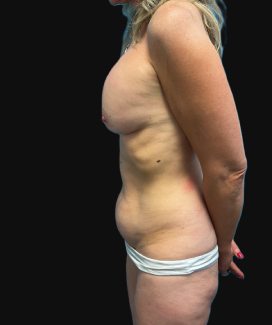
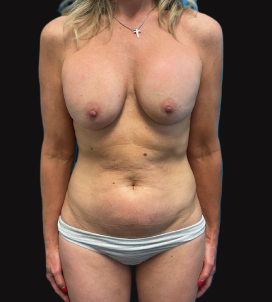
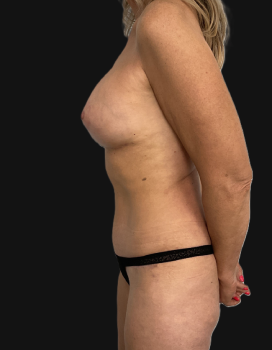
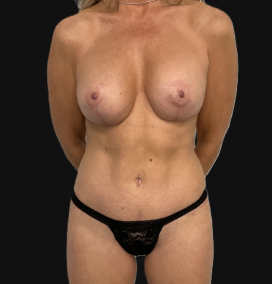
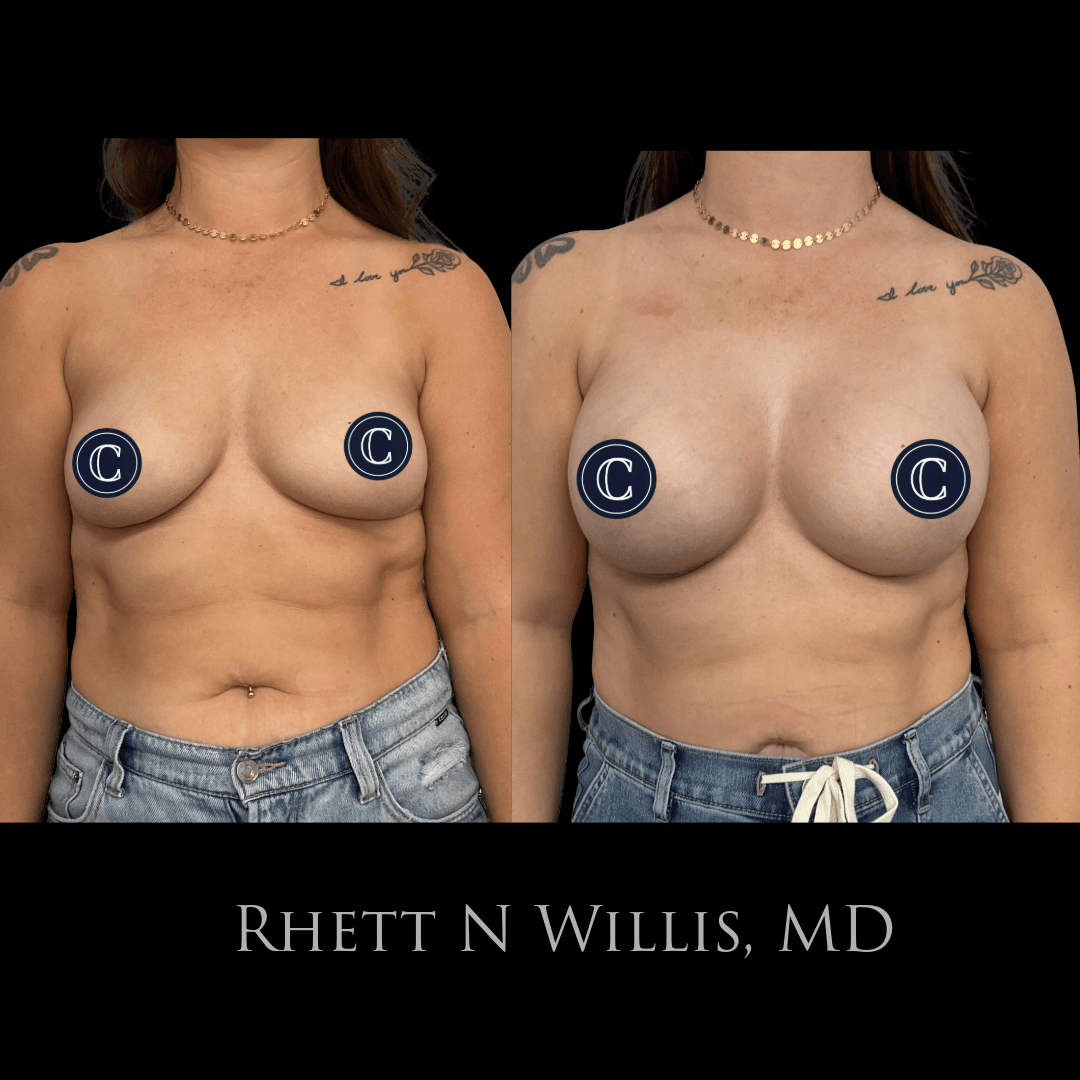
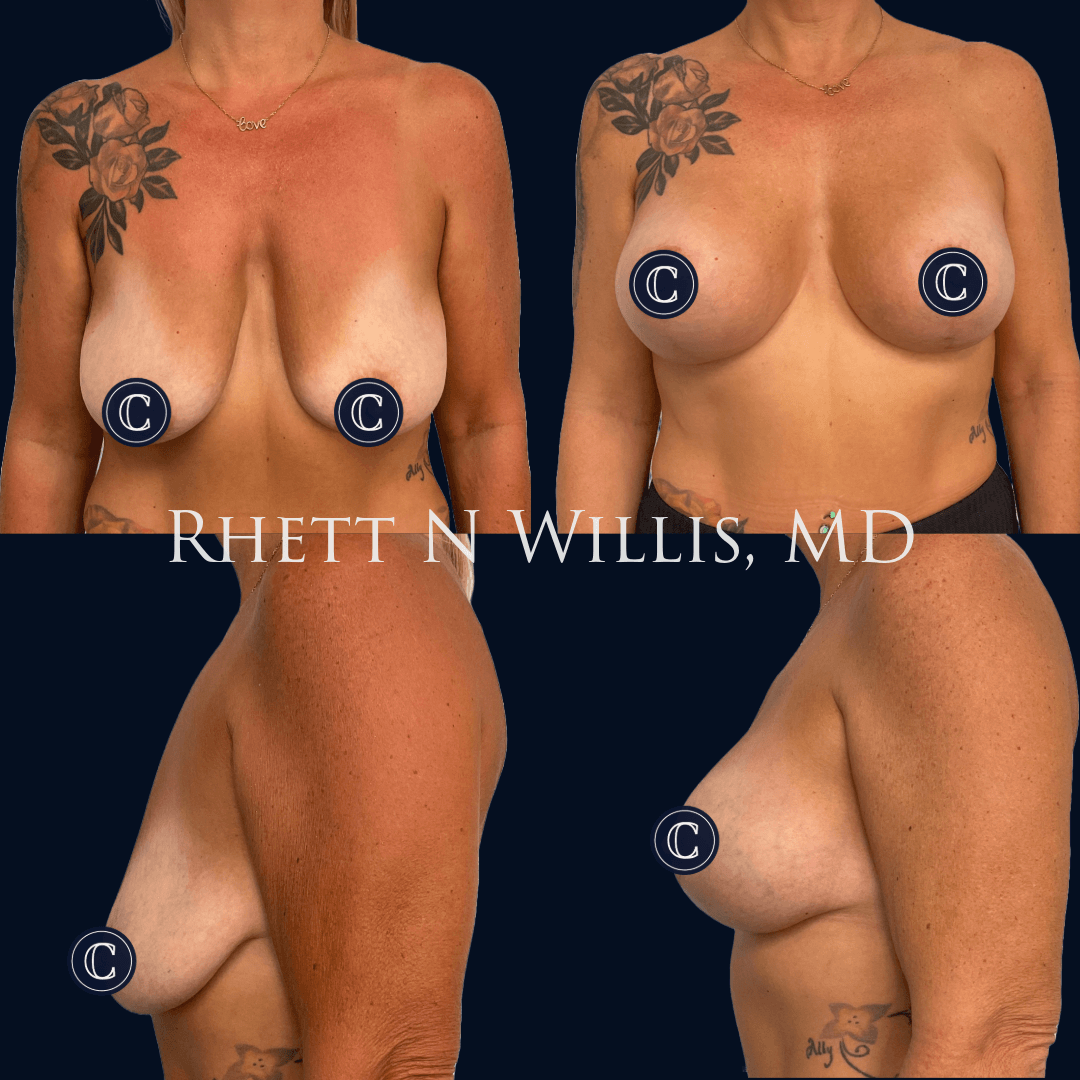
Difference Between Saline or Silicone Implants
For many Utah women considering breast augmentation, the first big question is simple: saline or silicone? Both options have decades of success behind them, yet each offers its own feel, look, & maintenance profile. Some patients worry about safety; others focus on texture & movement. With over 20 years of experience & 15,000+ procedures performed, Dr. R. Scott Haupt understands that this decision isn’t just medical—it’s deeply personal.
At Utah Cosmetic Surgery, every consultation blends science, artistry, & lifestyle awareness. Whether you ski, run, lift, or simply want your clothes to fit comfortably, Dr. Haupt helps you choose an implant that moves with you—not against you.
Understanding the Basics
Breast implants share the same silicone outer shell, but the internal fill determines much of the experience:
● Saline implants arrive empty & are filled with sterile saltwater once they are positioned in the breast pocket.
● Silicone implants come prefilled with a cohesive gel that mimics the texture of natural breast tissue.
According to FDA guidelines, saline implants are approved for women age 18 & older, while silicone implants are approved for those 22 & up. Both types are safe for long‑term use & can deliver soft, natural results when placed by a board‑certified plastic surgeon.
Saline vs. Silicone: The Real‑World Comparison
No two bodies respond exactly the same way to an implant. To help visualize how each option differs, here’s a practical look at the core variables.
| Feature | Saline Implants | Silicone Implants |
| Natural Feel | Slightly firmer; may be noticeable in thin patients | Softer, cohesive gel mimics natural breast feel |
| Incision Size | Smaller; implant is filled after insertion | Slightly larger due to prefilled structure |
| Rippling Risk | Higher, especially with low natural breast tissue | Minimal; gel fill resists surface rippling |
| Symmetry Tuning | Adjustable in surgery for precise volume balance | Pre‑set volume; less intra‑surgical flexibility |
| Rupture Detection | Immediate (visible deflation) | “Silent” (requires imaging/MRI) |
| Cost | Generally more affordable | Higher cost |
Saline Implants
Saline implants are popular with women who want flexibility & reassurance. Since they’re filled after placement, Dr. Haupt can fine‑tune size & symmetry directly in the operating room—a major plus if one breast is slightly different than the other. Another benefit is easy rupture detection. If a saline implant leaks, the breast visibly deflates & the body safely absorbs the saline.
However, saline can sometimes produce rippling under thinner skin or limited breast tissue. For active women who wear fitted workout gear or swimsuits, that may be a consideration.
Silicone Implants
Silicone breast implants—especially the modern “gummy bear” cohesive gel types—offer a smooth, soft texture that looks & feels closer to natural breast tissue. They hold their shape even if the outer shell breaks, giving a more stable contour over time. Because silicone ruptures may be “silent,” periodic ultrasound or MRI scans are recommended to confirm implant integrity.
Many Utah patients prefer silicone for its realistic appearance in motion—whether bending, stretching, or skiing down a Park City slope. The FDA data and ISAPS global statistics also confirm that silicone is the most popular implant material worldwide.
The Innovation of Gummy Bear Implants
Recently, the industry has seen a shift toward teardrop or highly cohesive silicone-filled breast implants. Often called “gummy bear” implants, these devices maintain their shape even if the silicone outer shell is cut.
Dr. Haupt was one of the first surgeons in Utah to offer these implants. Because they are anatomically shaped, they require a highly skilled, board-certified plastic surgeon to ensure they are placed correctly & textured to prevent rotation. If you are debating between a round or teardrop aesthetic, you can read our guide on choosing the right implant shape for more detail.
Which Lasts Longer?
Implant longevity depends on lifestyle, anatomy, & placement rather than just material. On average:
● Saline implants last around 10–15 years.
● Silicone implants often last 15 years or more due to their cohesive structure.
Rather than waiting for a specific year marker, Dr. Haupt recommends routine follow‑ups & imaging when needed. At Utah Cosmetic Surgery, these checkups ensure your implants remain safe, symmetrical, & beautifully integrated with your body.
How Body Type and Lifestyle Affect the Choice
Choosing between silicone vs. saline breast implants often comes down to what feels most natural for your lifestyle. For women with ample natural breast tissue, saline can deliver outstanding results with minimal weight & cost. Those with thinner frames—or anyone seeking the softest, most lifelike texture—tend to prefer silicone.
Utah’s active culture also matters. Women who frequently hike the Wasatch Range, jog city trails, or teach fitness classes appreciate the stable weight distribution & flexibility of today’s silicone gel options. Meanwhile, saline remains a favored pick for those who want adjustability or peace of mind about visible ruptures.
Safety, Longevity, & Confidence
Concerns about silent rupture (silicone) or visible deflation (saline) are valid—but technology has evolved. Modern cohesive silicone “gummy bear” implants are form‑stable, meaning the gel stays intact even if the outer shell breaks. Saline, meanwhile, offers immediate reassurance through visible changes & safe absorption by the body.
Are you ready to choose the right implant?
The best way to answer “Which is better: saline or silicone implants?” is with a personalised consultation. Dr. Haupt’s expertise helps you weigh how each option fits your anatomy, activity level & visual goals. Learn more about breast augmentation in Utah , explore Dr. Haupt’s approach, and, when you’re ready, schedule a visit via our contact page. Rediscover confidence that feels authentic—because your body deserves a result as dynamic as your life in Utah.This article is for informational purposes only and does not replace medical advice. Always consult a board-certified plastic surgeon.
Implant material is only half the decision — our guide to choosing a breast implant size covers the other half.