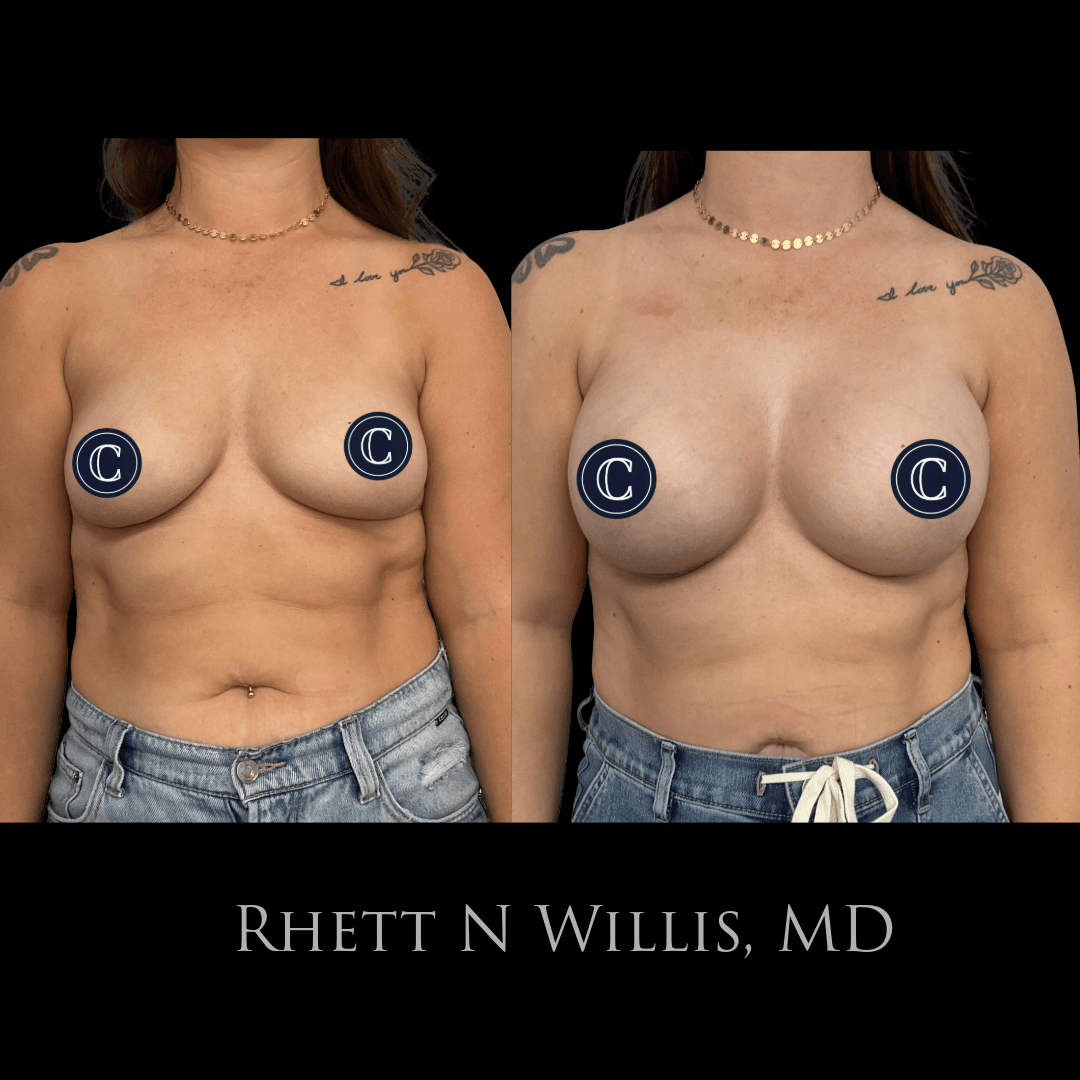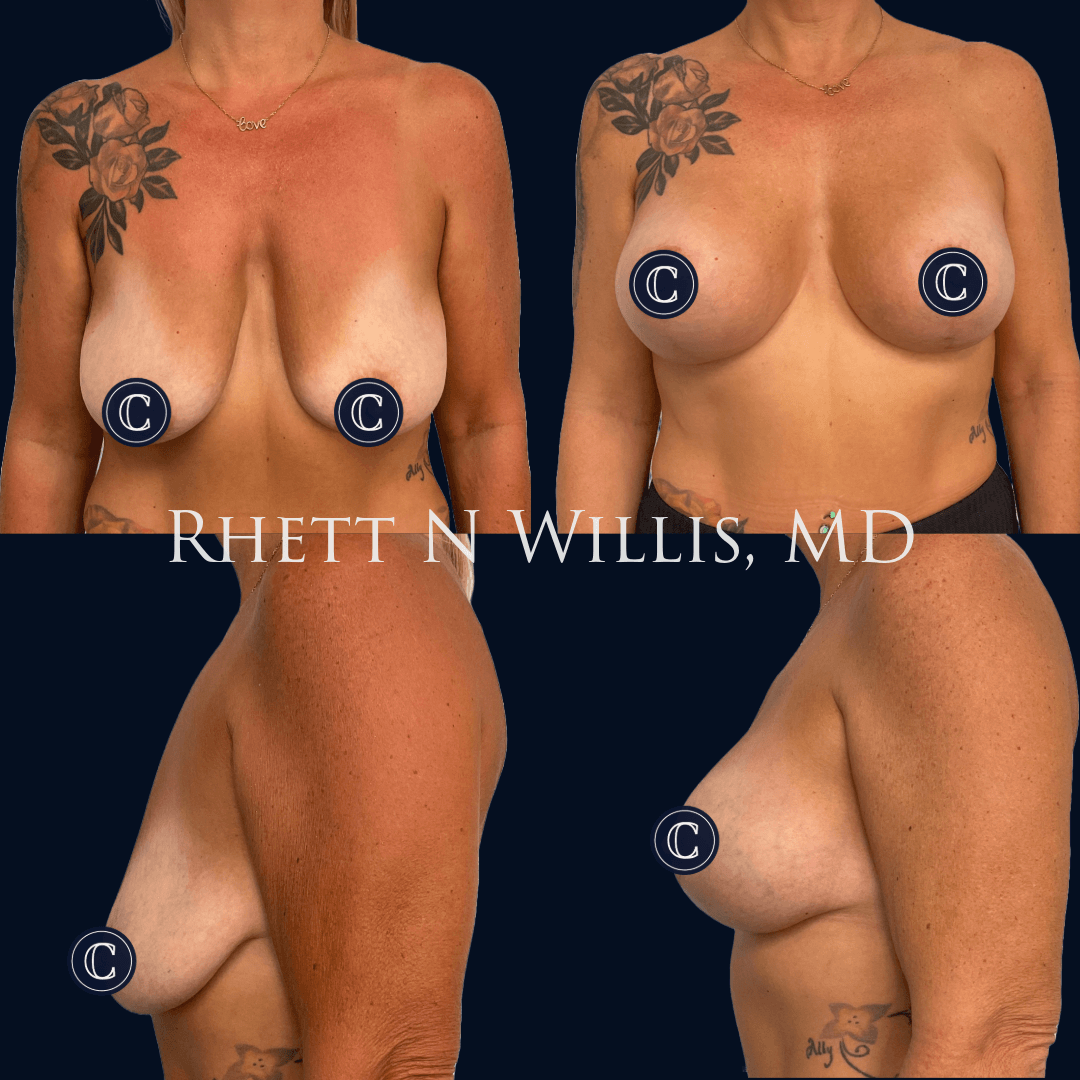
Breast Lift vs. Breast Augmentation: Which One Do I Need?
Breast lift and breast augmentation are two of the most common cosmetic breast procedures, and they are also two of the most frequently confused. Many patients come to a consultation asking for implants when what they are describing is sagging, or asking for a lift when the real concern is lost volume. The two procedures solve different problems, and choosing the right one, or the right combination, is what determines whether you will be happy with the result.
This guide explains what each procedure does, how to tell which concern you actually have, and when combining the two makes sense.
The Short Answer
A breast augmentation adds volume. A breast lift changes position and shape. If your breasts sit where you want them but feel small or deflated, augmentation is usually the answer. If your breasts have adequate volume but sit low, point downward, or have stretched skin, a lift is usually the answer. If both are true, and for many patients after pregnancy or weight loss they are, a lift with implants addresses both in a single surgery.
What a Breast Augmentation Does
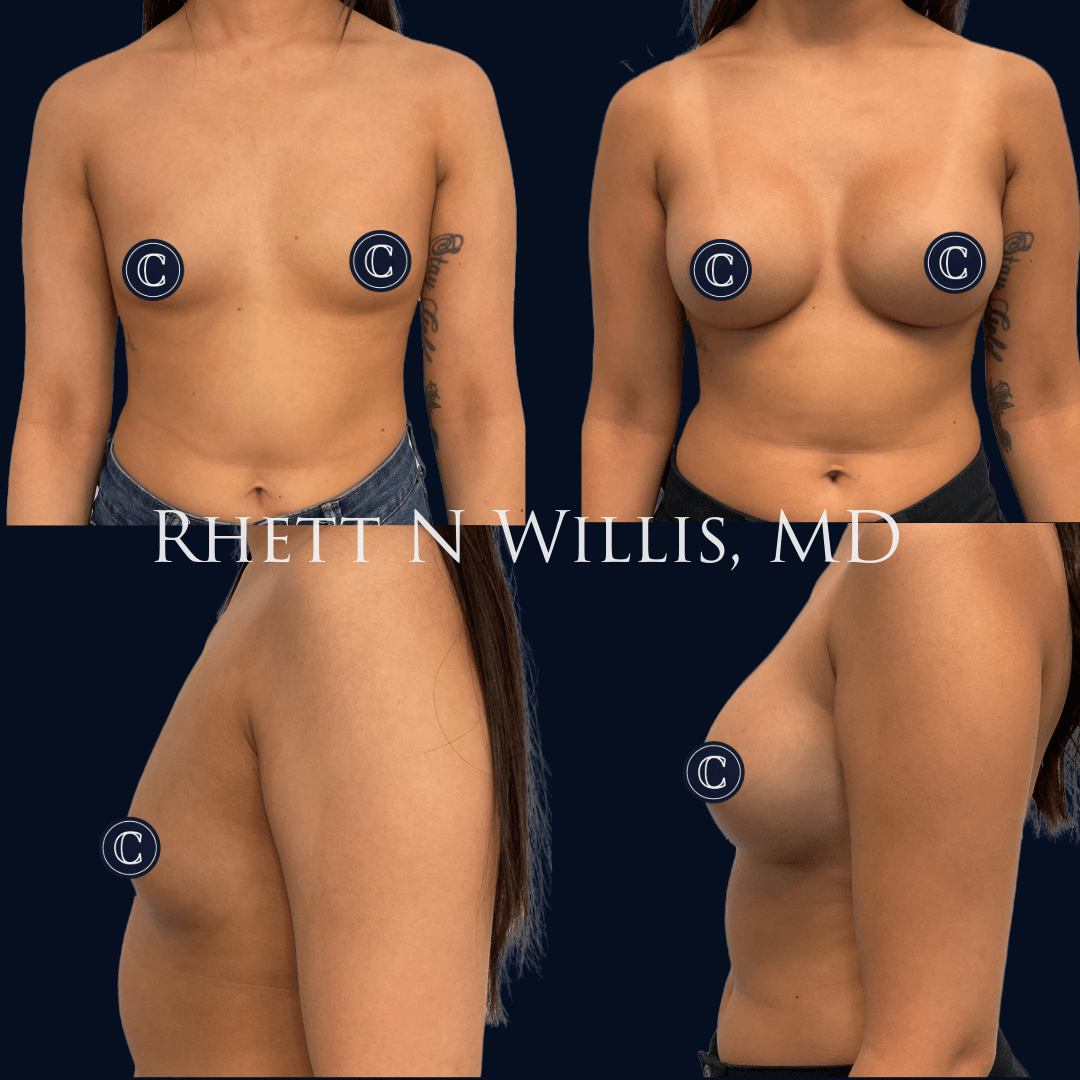
Breast augmentation uses implants to increase breast size and fullness. Implants come in saline, silicone gel, and highly cohesive silicone, often called gummy bear implants, which hold their shape more firmly. They are placed either above or below the chest muscle through a small incision, most commonly in the fold beneath the breast or around the edge of the areola.
Augmentation is the right choice when the primary concern is size. Patients who have always had small breasts, who lost fullness in the upper breast after pregnancy or weight loss, or who have noticeable asymmetry in size are typical candidates. Implants can also restore a rounder, fuller shape to breasts that have lost volume but have not significantly dropped.
What augmentation does not do is lift. An implant placed in a breast that already sags will add volume to the low position, and in some cases the added weight makes drooping more noticeable over time. This is the most common mismatch between what patients ask for and what they need.
What a Breast Lift Does
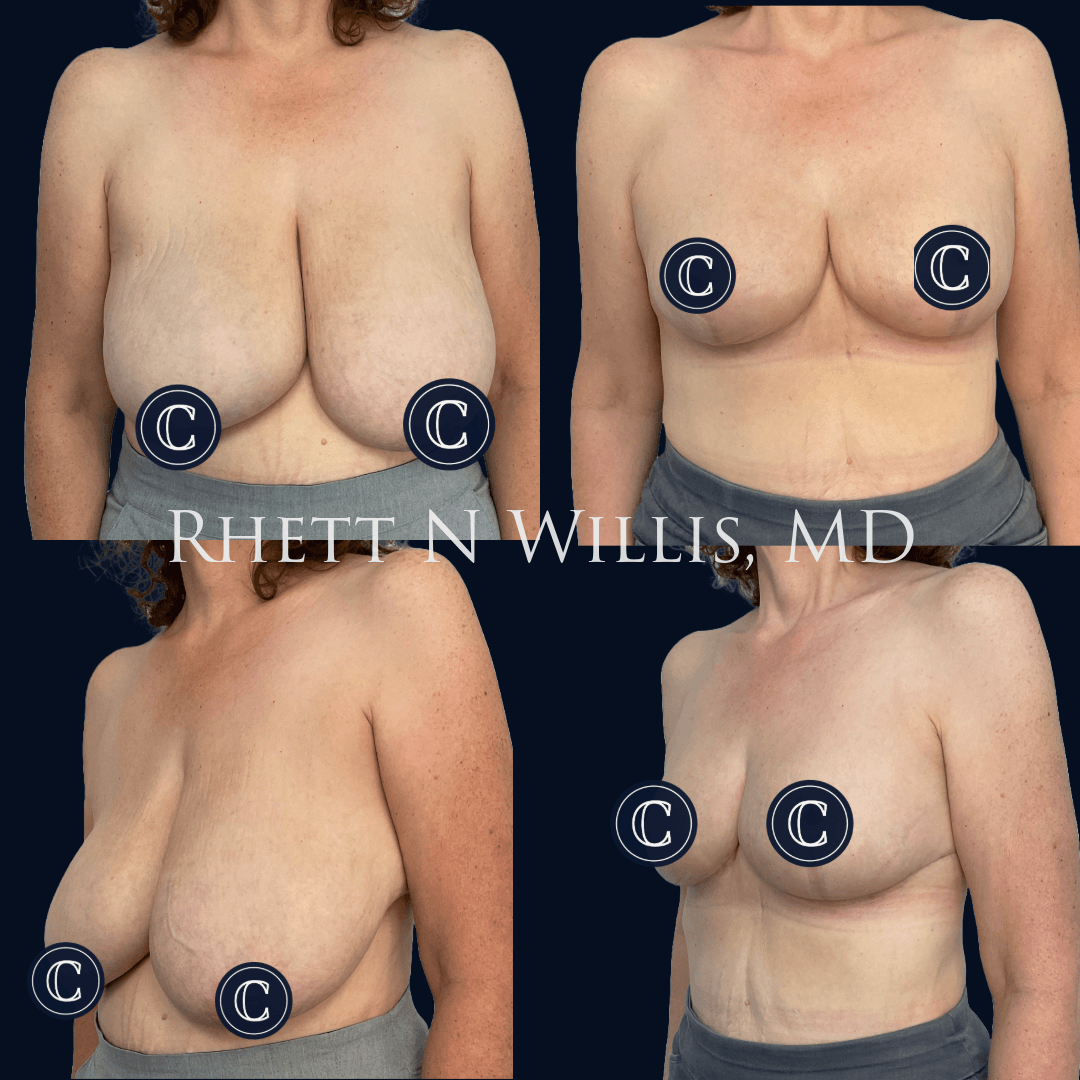
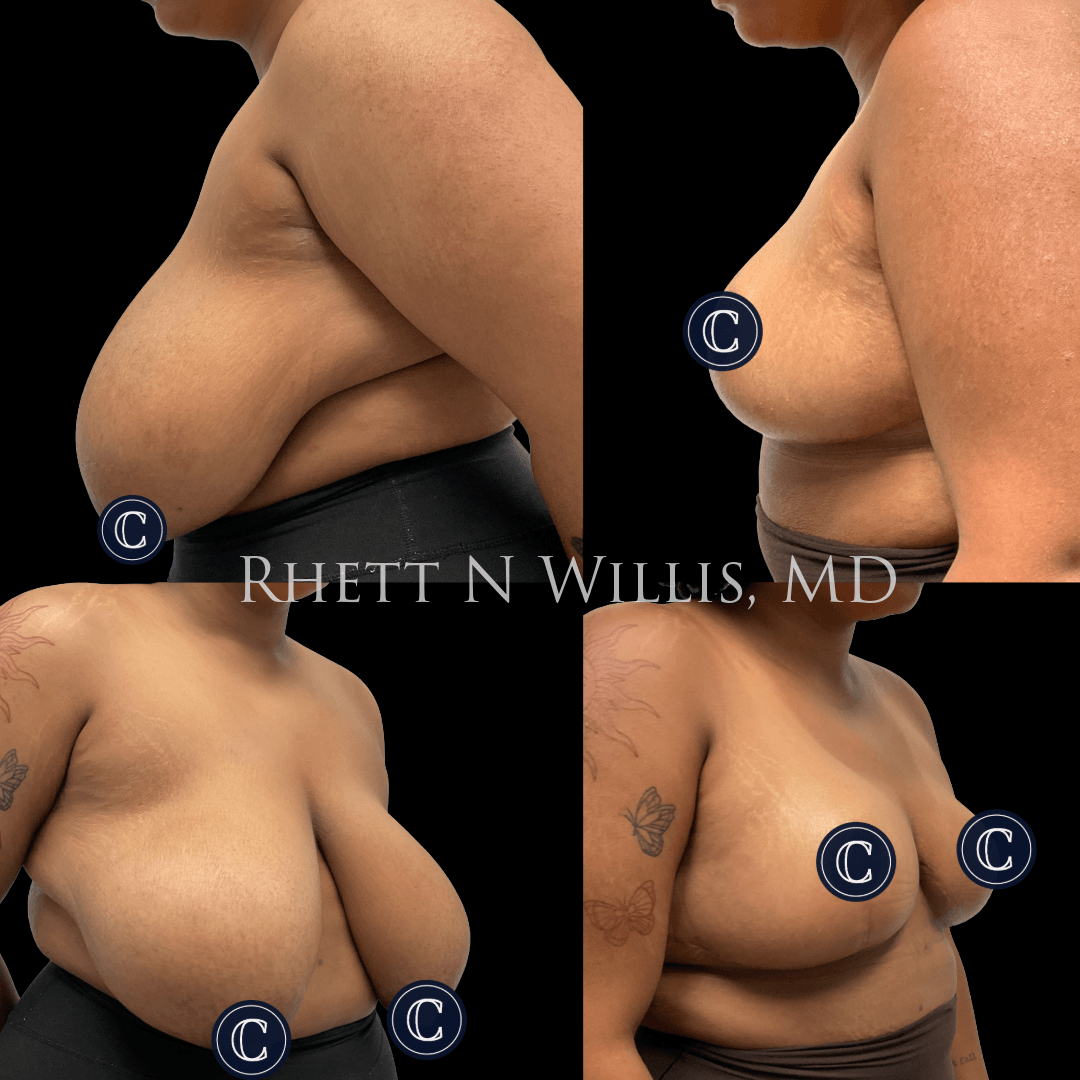
A breast lift, or mastopexy, removes excess skin, tightens the remaining tissue, and repositions the nipple and areola higher on the breast. It can also reduce an enlarged areola. The goal is a perkier, more youthful shape using the breast tissue you already have.
Lifts are typically recommended for patients whose breasts have changed after pregnancy and breastfeeding, significant weight loss, or simply with age and gravity. The incision pattern depends on how much lifting is needed. Mild sagging may be corrected with an incision around the areola alone, while more significant sagging requires a vertical incision from the areola down to the breast crease, sometimes with an additional incision along the crease. Your surgeon selects the approach based on the degree of elevation required, your breast size, and your skin quality.
What a lift does not do is add volume. Many patients are surprised to learn that a lift alone can make breasts look slightly smaller, because tissue is tightened and skin is removed. If you like your current size, that is fine. If you want to be fuller as well as higher, a lift alone will leave you disappointed.
How to Tell Which One You Need
The single most useful test surgeons use is nipple position relative to the breast crease, also called the inframammary fold. Stand in front of a mirror without a bra. If your nipples sit at or above the fold where your breast meets your chest, you likely have little or no sagging and augmentation alone may be enough. If your nipples sit below the fold, or point downward, you have some degree of ptosis, the medical term for sagging, and a lift is likely part of the answer.
A few other questions help clarify the picture. Are you happy with your breast size in a supportive bra? If yes, and your concern is how they look without one, you are describing a shape and position problem, which points toward a lift. Do your breasts look deflated or empty at the top even in a bra? That is a volume problem, which points toward augmentation. Has the skin stretched, or are the areolas larger than you would like? Those are lift concerns. Do you want to be noticeably bigger? That requires an implant.
Most patients fall somewhere in the middle, which is why the combined procedure is so common.
When You Need Both: Breast Lift With Implants
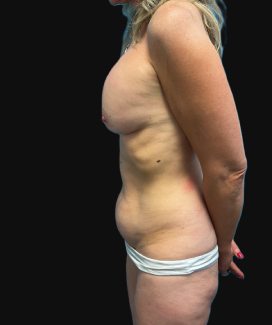
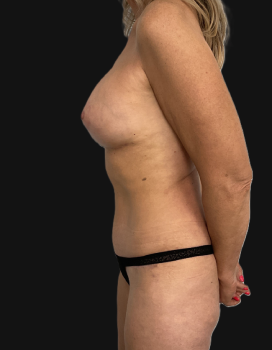
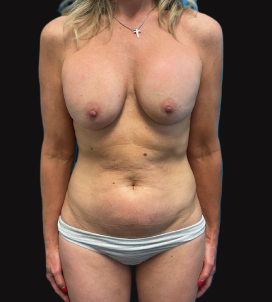
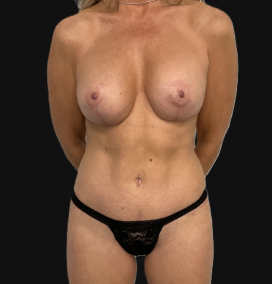
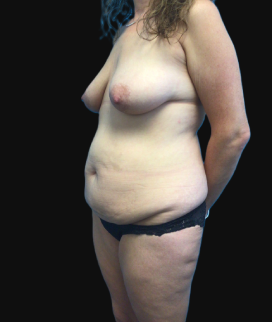
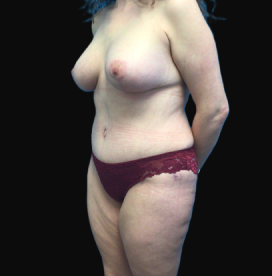
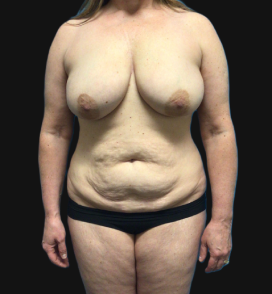
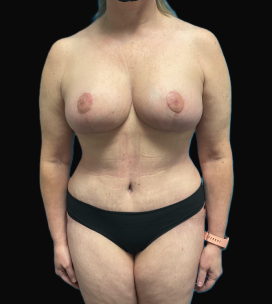
A lift with augmentation, sometimes called an augmentation mastopexy, corrects sagging and adds volume in one operation. It is the most frequently recommended option for women whose breasts have both dropped and deflated, which describes the majority of patients seeking breast surgery after having children. The implant restores upper fullness and size, and the lift repositions the breast and nipple so the implant sits in the right place.
The combined procedure involves more incisions than augmentation alone and a somewhat longer recovery than either procedure by itself, but it avoids two separate surgeries and two separate recoveries. Some surgeons prefer to stage the procedures in certain cases, particularly when a large implant and a significant lift are both needed, and your surgeon will explain if that applies to you.
For patients who also have concerns with the abdomen, a lift with implants is often part of a mommy makeover, which combines breast surgery with a tummy tuck or liposuction in a single surgical plan.
Comparing Recovery and Scarring
Augmentation alone typically has the shortest recovery. Most patients return to desk work within a few days to a week and resume full exercise around four to six weeks. Scarring is limited to a short incision in the breast fold or around the areola.
A breast lift involves more incisions and therefore more visible scarring, especially with the vertical or anchor patterns needed for moderate to significant sagging. Scars fade considerably over twelve to eighteen months and are placed to be hidden by a bra or swimsuit, but they are a real trade-off that should factor into your decision. Recovery is similar in length to augmentation, with most patients back to normal routines within a week or two and strenuous activity restricted for at least a month.
The combined procedure carries the scarring of a lift with a recovery on the longer end of the range. Swelling takes several months to fully resolve, and final breast shape and implant position continue to settle during that time.
Timing Considerations
If you are planning future pregnancies or significant weight loss, it is generally worth waiting. Both can stretch the skin and change breast volume, which can undo the results of a lift in particular. Surgeons typically recommend being at a stable weight and finished with breastfeeding for several months before surgery. Patients who smoke are asked to stop well in advance, since nicotine impairs healing and raises the risk of complications with the longer incisions a lift requires.
Frequently Asked Questions
Can implants lift my breasts instead of a lift?
Not meaningfully. Implants add volume and can improve upper fullness, which sometimes creates a modest impression of lift in patients with very mild sagging. For anything beyond that, an implant will not raise the nipple or remove stretched skin, and adding weight to a sagging breast can make the drooping more apparent over time.
Will a breast lift make my breasts smaller?
A lift removes skin, not much breast tissue, so your volume stays roughly the same. Because the tissue is tightened and reshaped, however, breasts often look somewhat smaller and perkier afterward. Patients who want to preserve or increase their size usually add an implant at the time of the lift.
How do I know if I have sagging that needs a lift?
The most reliable indicator is nipple position. If your nipple sits below the crease under your breast or points downward when you are not wearing a bra, a lift is likely needed. Stretched skin and enlarged areolas are additional signs. Your surgeon will grade the degree of sagging during your consultation and recommend the appropriate incision pattern.
Can I get a lift and implants at the same time?
Yes. A lift with augmentation is a common combined procedure and is often the best option for patients with both sagging and lost volume. In some cases involving very large implants or significant lifting, your surgeon may recommend staging the procedures for a safer, more predictable result.
Which procedure has more visible scars?
A breast lift. Augmentation alone uses a single short incision that is easily hidden. A lift requires incisions around the areola and often down the front of the breast, which fade over time but remain more noticeable. Discussing your tolerance for scarring is an important part of the consultation.
Get a Personalized Recommendation in Murray, Utah
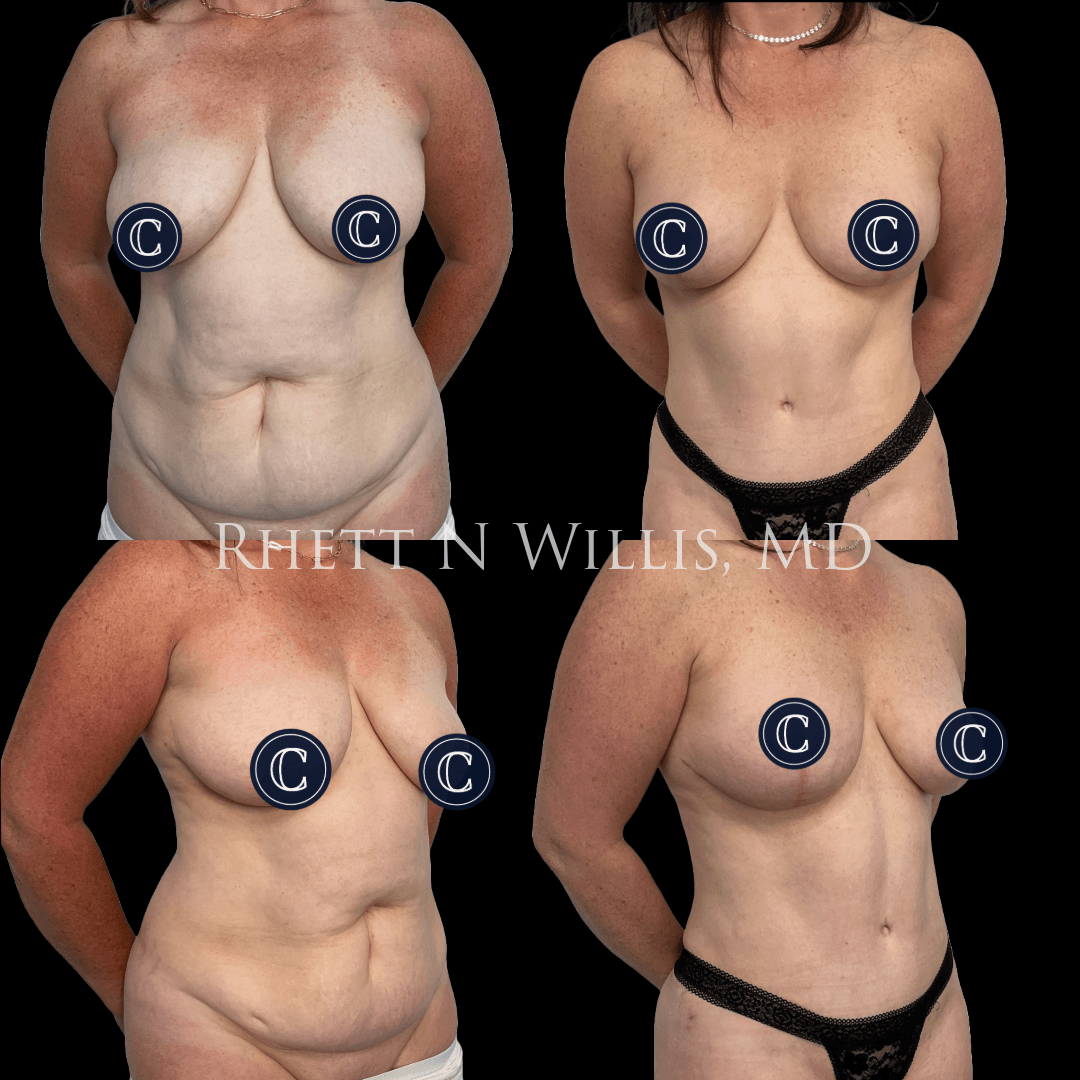
The only way to know for certain which procedure fits your anatomy and goals is an in-person evaluation. At Utah Cosmetic Surgery in Murray, board-certified plastic surgeons Dr. Ryan Kunkel and Dr. Rhett Willis assess breast volume, nipple position, skin quality, and your desired outcome to recommend augmentation, a lift, or a combined approach. Browse the before and after galleries to see examples of each, then call 801-293-8100 to schedule your consultation.