Tummy Tuck Recovery Week by Week: What to Expect After Abdominoplasty
One of the first questions patients ask about a tummy tuck is how long recovery takes. The short answer is that most people are back to desk work in two to four weeks and cleared for full exercise around six weeks, but the details matter. Knowing what each stage feels like, when drains come out, when you can stand up straight, and when swelling finally settles makes the process far less stressful. This guide walks through tummy tuck recovery week by week so you know what to expect.
Before Surgery: Setting Yourself Up for a Smoother Recovery
Recovery starts before the operating room. In the weeks leading up to surgery, your surgeon will typically ask you to stop smoking and all nicotine products, since nicotine restricts blood flow and slows wound healing. You may also be asked to pause certain medications and supplements that increase bleeding risk, such as aspirin, ibuprofen, fish oil, and vitamin E.
Practical preparation helps too. Arrange for someone to drive you home and stay with you for at least the first night. Set up a recovery spot with pillows to keep you in a bent position, fill prescriptions ahead of time, stock easy meals, and place everyday items at waist height so you are not reaching or bending. If you have young children, line up help with lifting for the first few weeks.
Days 1 to 3: The First 72 Hours
Abdominoplasty is usually performed under general anesthesia and most patients go home the same day. Expect to feel groggy, sore, and tight through the abdomen. You will likely be wearing a compression garment, and depending on your surgeon’s technique, you may have one or two small drains to collect fluid.
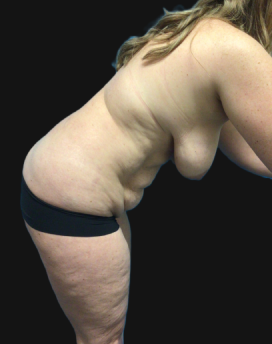
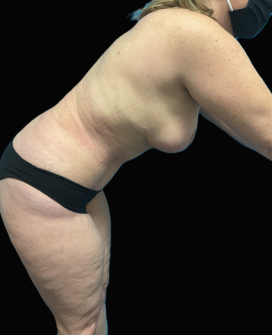
During this stage, you will walk hunched over. That is normal and expected. The abdominal skin and muscles have been tightened, and standing fully upright too soon puts strain on the incision. Short, slow walks around the house every few hours are encouraged because they reduce the risk of blood clots and help swelling move along, but everything else should be rest.
Pain is typically at its peak during these first few days and is managed with prescribed medication. Many surgeons also use long-acting local anesthetic during surgery, which can take the edge off the first day or two.
Week 1: Rest, Drains, and Gentle Walking
By the end of the first week, most patients have shifted from prescription pain medication to over-the-counter options. You will still be sleeping in a reclined, bent-at-the-waist position, often in a recliner or propped up with pillows. Showering is usually permitted once your surgeon confirms the incision is sealed and drains are managed, though soaking in a bath or pool is off-limits for several weeks.
If you have drains, they are commonly removed sometime between days five and fourteen, once output drops to a low, steady level. Your surgeon will check the incision at your first follow-up visit and review how to care for it at home.
Expect significant swelling and bruising during this week. Your abdomen may look larger than it did before surgery, which can be discouraging. This is fluid, not fat, and it is temporary.
Week 2: Standing Taller and Moving More
Week two is when most patients start to feel like themselves again. You will gradually be able to stand more upright, though full posture may take another week or two. Walking becomes easier and longer, and many people can handle light household tasks like preparing simple meals.
Some patients with sedentary jobs return to work near the end of week two, particularly if they can work from home. Others need the full three to four weeks. Driving is typically allowed once you are no longer taking prescription pain medication and can twist and brake comfortably.
Lifting anything heavier than about ten pounds, including toddlers, laundry baskets, and grocery bags, remains off-limits. The muscle repair is still early in its healing, and strain now can compromise your result.
Weeks 3 and 4: Returning to Daily Life
By weeks three and four, most people are back to a desk job, standing straight, and moving through the day with only mild tightness. Swelling is noticeably reduced, though it tends to fluctuate, often worse in the evening or after a long day on your feet. The compression garment is still doing important work during this phase and is usually worn most of the day.
Light cardio like brisk walking is generally fine. Anything that engages the core, including running, cycling, yoga, and weights, is still on hold. This is also when many patients begin scar care, using silicone sheets or gel once the incision is fully closed and your surgeon gives the go-ahead.
Weeks 5 and 6: Clearing the Six-Week Milestone
Around six weeks, most surgeons clear patients to resume full exercise, including core work and heavier lifting, as long as healing is on track. Start gradually. The muscles were sutured together during surgery and need time to build strength, so ease back into your routine over a few weeks rather than jumping in at full intensity.
Many people stop wearing the compression garment at this point, though some surgeons recommend continuing for comfort during workouts. Numbness along the lower abdomen is common and can persist for months as the nerves recover.
Months 2 to 6: Swelling Resolves and Results Take Shape
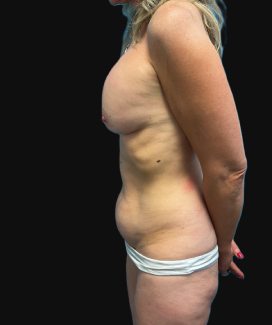
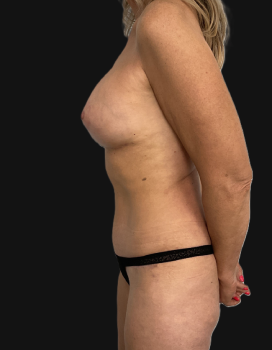
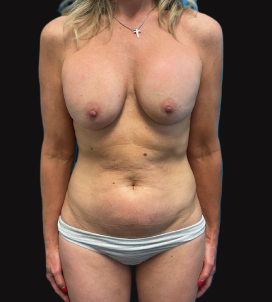
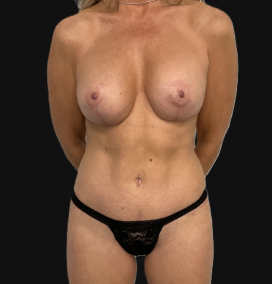
The contour you see at six weeks is a preview, not the finished product. Residual swelling continues to resolve over the next several months, and the abdomen becomes progressively flatter and more defined. By three months, most swelling is gone. By six months, the majority of patients see what will be their final result.
Scars also change dramatically during this window. They typically look red or dark and raised in the early months, then gradually flatten and fade. Full scar maturation takes twelve to eighteen months, so patience is important. Keeping the incision out of the sun and continuing silicone-based scar care helps.
Tips That Make Tummy Tuck Recovery Easier
A few habits consistently make a difference. Walk early and often, even when you do not feel like it. Stay hydrated and eat protein-rich foods to support tissue repair. Keep your follow-up appointments so your surgeon can catch small issues before they become larger ones. Wear the compression garment as instructed, since it reduces swelling and supports the repaired muscles. And be honest with yourself about pacing. Overdoing it in week two is one of the most common ways patients set themselves back.
When to Call Your Surgeon
Some discomfort, tightness, and bruising is expected. Contact your surgeon promptly if you notice a fever above 101 degrees, redness or warmth spreading from the incision, foul-smelling drainage, sudden swelling on one side, severe pain that is not controlled by medication, or calf pain, shortness of breath, or chest pain. These can indicate infection, fluid collection, or a blood clot and should be evaluated right away.
Frequently Asked Questions About Tummy Tuck Recovery
How long does tummy tuck recovery take?
Most patients return to desk work in two to four weeks and resume full exercise around six weeks. Swelling continues to improve for three to six months, and final results are usually visible by six months.
When can I stand up straight after a tummy tuck?
Most people walk hunched for the first one to two weeks and stand fully upright by weeks two to three. Forcing upright posture too early puts tension on the incision.
How long do I have to wear the compression garment?
Typically around six weeks, worn most of the day. Your surgeon may adjust this based on your swelling and how your incision is healing.
When can I sleep on my side or stomach?
Sleeping in a bent, reclined position is standard for the first two to three weeks. Side sleeping is usually fine after that, and stomach sleeping is generally cleared around six weeks.
Does recovery differ for a mini tummy tuck?
Yes. A mini tummy tuck involves a shorter incision and less tissue work, so recovery is often faster, with many patients back to normal activity in about two weeks. If a tummy tuck is combined with liposuction or a mommy makeover, recovery may take longer.
Considering a Tummy Tuck in Utah?
Recovery is easier when you know what is coming and have a surgical team that stays involved from the first consultation through the final follow-up. At Utah Cosmetic Surgery in Murray, board-certified plastic surgeons Dr. Ryan Kunkel and Dr. Rhett Willis tailor each abdominoplasty to the patient’s anatomy and goals and provide detailed, personalized aftercare instructions. To learn more about the procedure or schedule a consultation, visit the body contouring page or call 801-293-8100.